The Importance Of Connection At The Winter Solstice
Dec 20, 2025
Long nights, colder weather and less bright sunlight can all cause some of us to feel a little low around Winter time. Much of this is linked to the way sunlight interacts with our hormones – less sunlight means less serotonin - our ‘happy hormone’ – but the way we live today can also contribute to how we feel emotionally and mentally throughout Winter.
For thousands of years, our ancestors would have lived in small and intimately connected groups. Over Spring and Summer, we’d perhaps travel further from home to forage, hunt, and meet other tribes, but come Winter, we’d stay closer and deepen our connections to each other. Today, with families often living far apart and technology sometimes being our only form of connection, Winter can feel isolating and lonely. Research shows 1 in 4 adults feels lonely over Winter, especially at Christmas, leading to low mood, which can then impact physical health.
All of these are reasons why it’s so essential to come together in community whenever possible over Winter, and the Winter Solstice on December 21st is an especially traditional time to gather. The Winter Solstice has been celebrated in the UK for thousands of years, with archaeological evidence like Stonehenge suggesting celebrations began in the Neolithic period (around 3,000 to 2,500 BC). These ancient pagan celebrations involved feasting and marking the turning point of the solar year, with communities coming together to honour the return of light in the darkest part of the year.
4 Special ways to mark the Winter Solstice
As a way of marking the solstice, rituals such as lighting candles, setting intentions or reflecting on the past year can all make this turning point a memorable and meaningful one. Connecting to rituals old and new is also an important way to disconnect from the busyness and hurriedness of modern life, and reconnect to our roots. Here are 4 special ways to mark the Winter Solstice:
Lighting candles or fires
Traditionally, burning a Yule log was believed to bring good luck for the coming year. If you’re short on Yule logs, lighting candles, a bonfire or your own log fire at home can be the perfect Solstice ritual too. In this ritual, fire symbolises sunlight and a return to longer, warmer days after the passing of the Solstice. Many cultures also see this celebration as a metaphor for light and positivity in life overcoming negativity and darkness too.
Reflecting & Intention-setting
Taking a moment to intentionally pause, reflect, and ponder what the next several months might look like can be a powerful way to engage with the present moment, especially if life often has you rushing and doing, rather than being. Take a journal or notebook and reflect over the past year; which moments were memorable for you? Why? Acknowledge what has passed, what you’re grateful for, and what you want to focus on in the coming year.
Wreath Making & Creating
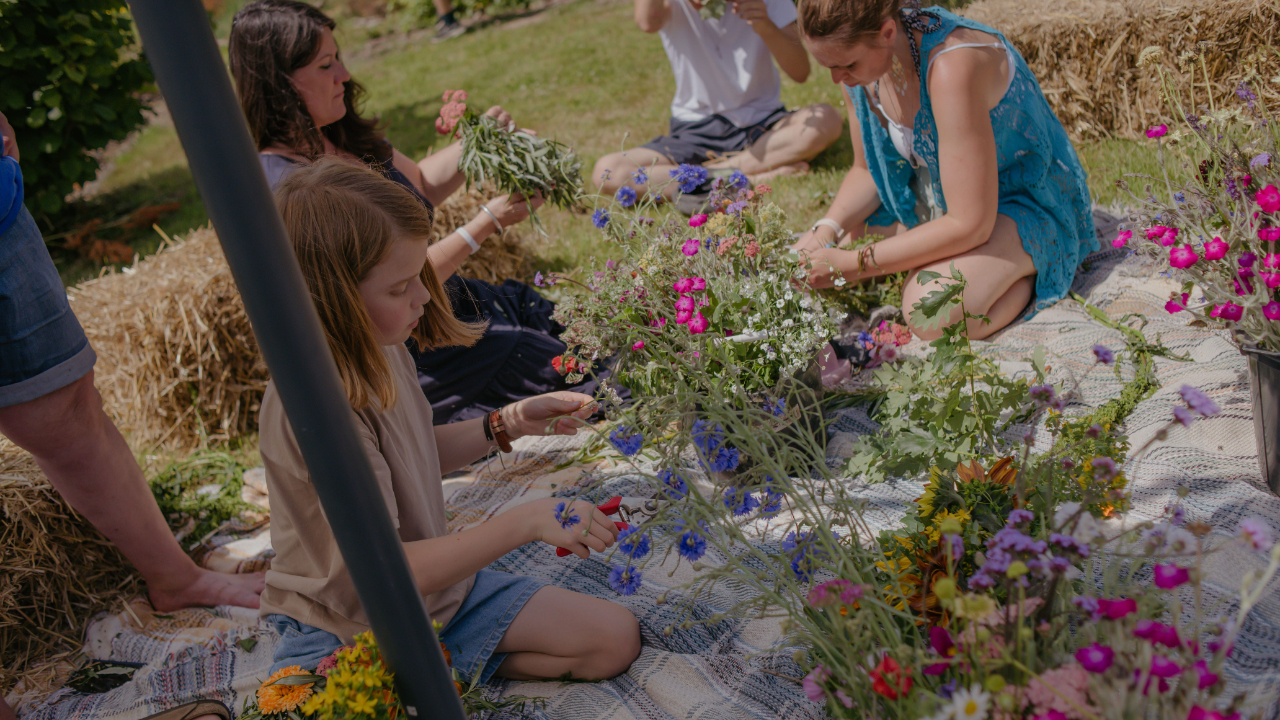
Across many different cultures, you’ll find the tradition of bringing nature into the home around this time of year. Whilst the materials may differ, the theme remains the same; evergreens, plants, and natural objects represent life, renewal, and protection during winter. Ancient Celts, Norse, and Germanic peoples brought evergreens—fir, pine, holly or ivy—inside, as these plants stayed green through winter. They symbolized eternal life, hope, and resilience when other plants appeared to die. To bring nature into your own home, collect foliage and arrange simply in a vase, or go all out with wreath making as we’ll be doing at our upcoming member’s event.
Feasting
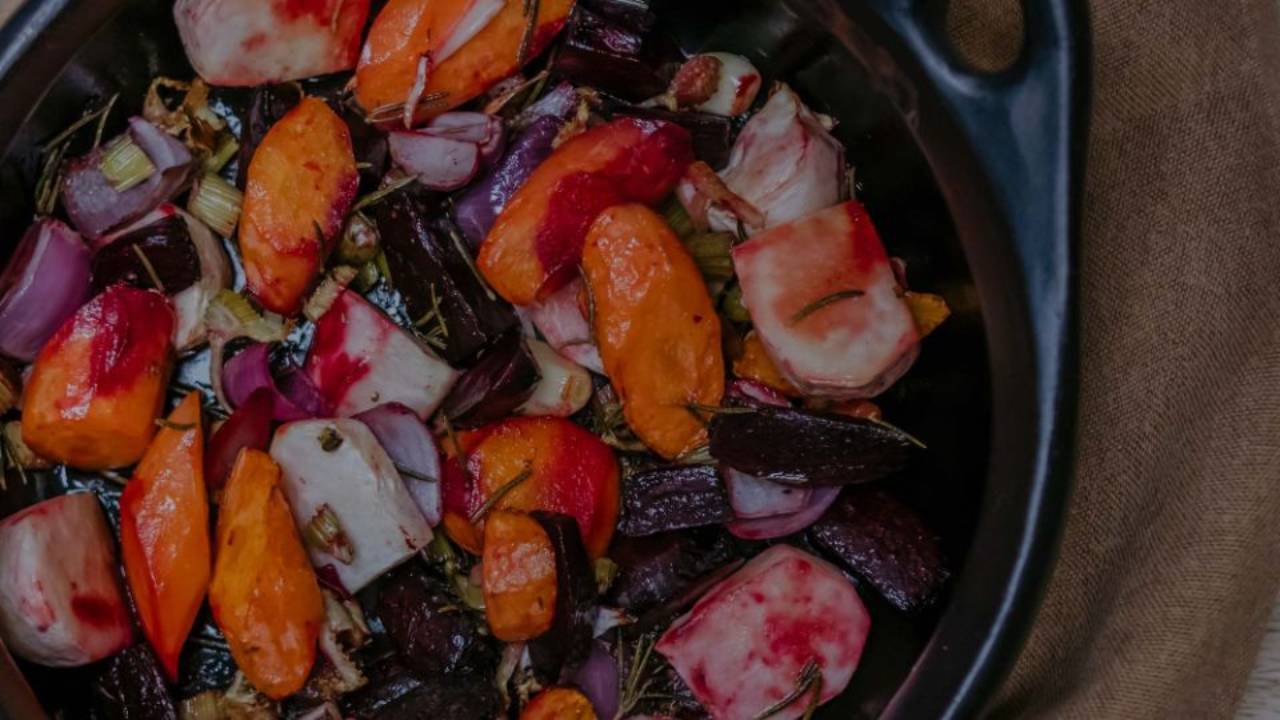
No celebration is complete without a feast, and the Winter Solstice brings together not only the community, but the Winter harvest too. A traditional winter solstice feast varies by culture, but almost everywhere it centres on the same themes: warmth, abundance, protection, and the return of the sun. These meals typically feature rich, hearty, seasonal foods, often stored or preserved for winter, and symbolic items representing light, rebirth, and community. Use local, seasonal foods to create a warming, comforting meal – check our What’s In Season guide for this month, or order one of our weekly Harvest boxes with the freshest ingredients pulled straight from the ground.