What's in season? January
Jan 17, 2026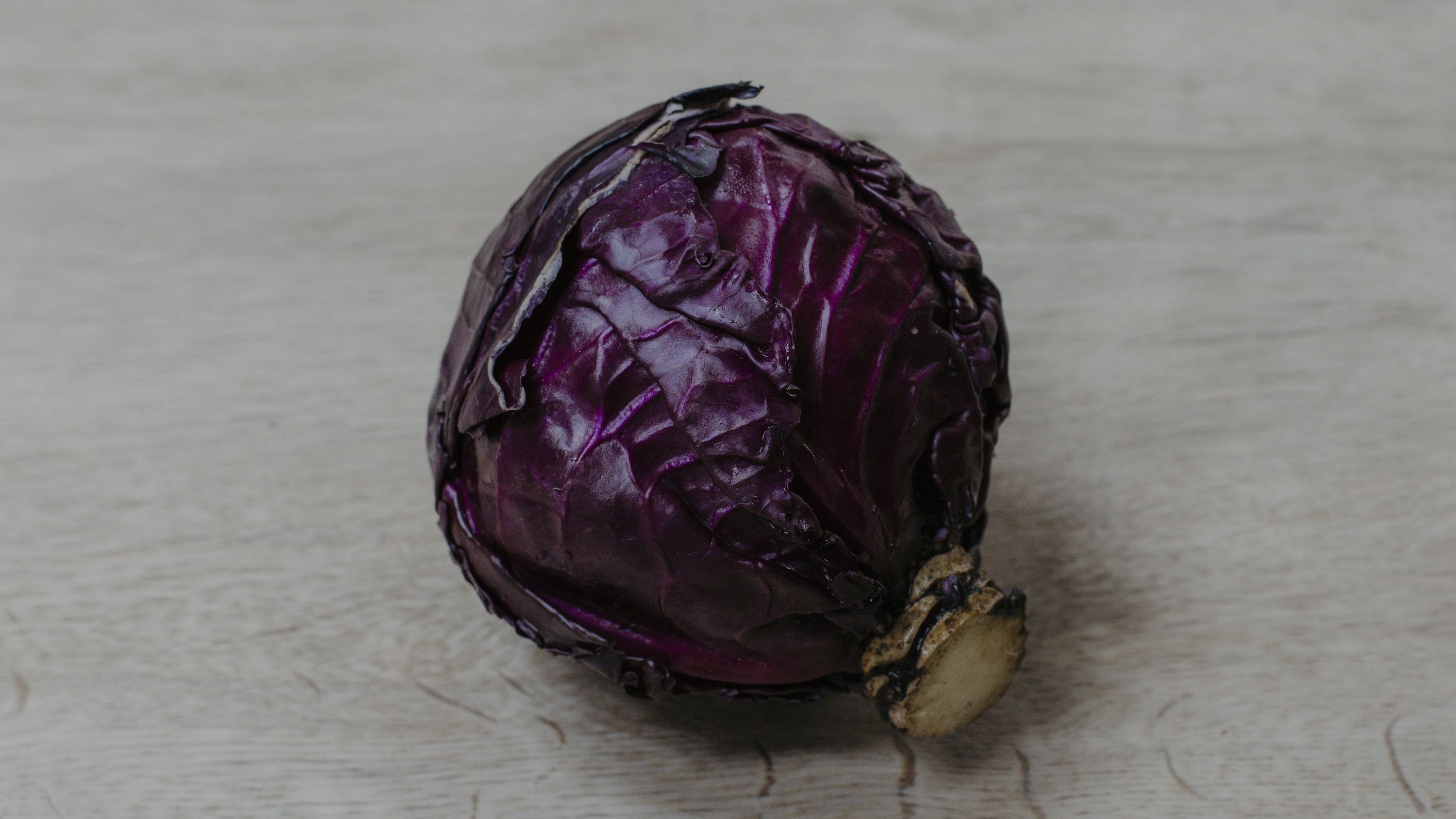
Social media may be telling us to start a ‘new year new me’ regime, but nature is asking you to go softly; to remain in a state of Wintery hibernation, cosiness and calm amidst the cold and darkness. Because even though the calendar may tell us it’s a ‘new year’, nature’s true new year doesn’t start until the beginning of Spring, when the plants and trees come back to life. January is still a month to embrace grounding foods, warming spices, hearty meals and intimate gatherings with loved ones. Indeed, remaining deeply connected to Winter and this way of living throughout January helps recharge our physical and mental batteries, restoring and reviving us from deep within, meaning that when the time comes, we really can ‘spring’ back into action from a place of well-rested resilience. And so, this month’s guide isn’t about ditching comfort food in favour of detox juices or choosing spin classes over the sofa; it’s all about nourishing your body with what it truly needs in order to thrive right now.
Here's what’s in season this January, and what we have in stock for you this month:
Leeks
As well as adding flavour and comforting sweetness to savoury dishes, leeks are nutrient-rich, especially when it comes to antioxidants such as lutein and zeaxanthin that help lower inflammation. High in vitamins C and K, as well as B vitamins and beta carotene, leeks also provide plenty of fibre to support digestion. You probably already know that probiotics like kefir and kimchi are great for gut health, but prebiotics like leek are important too. As a great source of inulin, the fibre in leeks feeds good gut bacteria like Bifidobacterium, important for skin health, as well as mood via the gut-brain axis.
Our favourite way to use leeks: After stripping and washing well, thinly slice leeks and fry in butter until soft. Simple and delicious served alongside a lentil stew or our pasture raised beef.
Beetroot
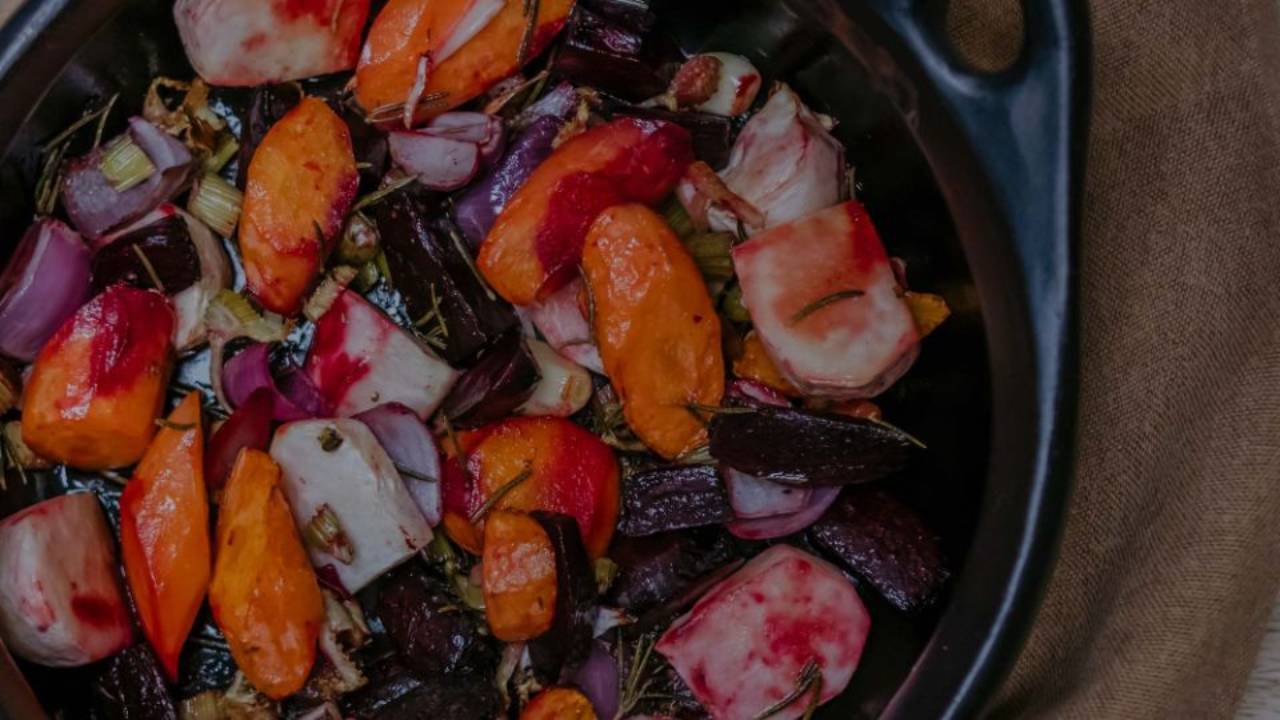
Wonderful for boosting blood flow, beetroot is supportive for energy, exercise and overall vitality. So much so, that some athletes even drink the juice before working out. If the festive season had you a little more sedentary than usual and you want to get active again this month, beetroot is a great food to promote muscle and heart health. Beets are high in vitamin C and B vitamins, and minerals like potassium. They may even help enhance circulation to the brain, preventing cognitive decline. Naturally sweet and earthy, beetroot works well raw or roasted alongside other Wintery root veg.
Our favourite way to use beetroot: Mix 1 tbsp tahini, a splash of balsamic vinegar and a pinch each of cumin and salt. Toss with cubes of chopped beetroot then roast and serve alongside our pasture raised pork.
Turnips
It’s still very much the season for comforting root veg, and turnips offer just that, especially when mashed with butter and plenty of mineral-rich salt. High in vitamins C, K, beta carotene, and minerals calcium, potassium and manganese (great for bone health), they aid in reducing inflammation, and their folate content can help with detoxification and brain function too. Compounds such as glucosinolates within turnip can help stabilise blood sugar and may even help prevent against certain types of cancer too.
Our favourite way to use turnips: Turnips work well in warming stews and pies, and they’re delicious cooked in our Traditional Farmhouse Butter.
Kale
The dark green hues of kale may be a sight for sore eyes after a fortnight or so of beige ‘party food’ around Christmas and new year’s celebrations. Despite their leafy cleanliness though, kale can be prepared in ways that bring warmth and comfort, and its nutrient content definitely makes it worth adding to the dinner table. Alongside organ meats like liver and heart, oily fish and raw dairy, leafy greens like kale are some of the most nutrient dense foods on the planet. Kale is high in vitamins C, K, folate and beta carotenes, as well as vitamin B6, important for nervous system health. Many of the nutrients in kale are also fat-soluble, meaning we need to consume it alongside a healthy fat in order to absorb the vitamins – try it with butter ghee or tallow.
Our favourite way to use kale: Yes, you could juice it into a new year’s ‘detox’ blend, but we think serving it warm and well-seasoned is much more suited to cold January days. Roughly chop the leaves, then sautee in butter with crushed garlic and fresh sage. Serve with roast root veg and chicken or beef.
Carrots
If your digestion is in need of some TLC, consider adding a raw carrot salad to your daily routine. The fibres in this dish help ‘sweep’ the gut of toxins and excess hormones, as well as promoting healthier digestion and regularity (see recipe below). This can potentially help to regulate hormone levels and support issues such as oestrogen dominance. Carrots are a powerful source of beta carotene for eye health, and vitamins C, K and antioxidants. Roasted with a generous pinch of cumin, they’re warming, sweet and a delicious alternative to chips when paired with steak.
Our favourite way to use carrots: The raw carrot salad is simple, effective and refreshing, and can be made in advance and stored in the fridge for weekday snacks. It promotes detoxification and binds to wastes, and is best consumed away from other meals. To make one portion, shred 1 medium carrot, and toss with a splash of apple cider vinegar, a tsp melted coconut oil and pinch of salt.
Cabbage
The humble cabbage is actually a superfood for the gut in disguise. Rich in glutamine, cabbage – especially when cooked in a soup or juiced – helps to soothe inflammation and heal the gut lining. These benefits mean cabbage can aid with health issues associated with ‘leaky gut’, such as eczema, bloating, brain fog, allergies and some autoimmune conditions. Red cabbage is highest in antioxidants and vitamins C and B6, whilst white cabbage boasts more vitamin K and folate. Red cabbage also tends to work best braised or roasted, whilst white cabbage is perfect simmered in soups.
Our favourite way to use cabbage: Thinly slice red cabbage and mix with olive oil, salt and a little mayo for a simple slaw. Chop white cabbage and add to a soup with homemade meatballs for a deeply warming and satisfying dinner, served alongside our local sourdough.
Onions
Not only can onions provide a powerful natural remedy for coughs and colds, they’re undeniably one of the best ingredients to make any meal more flavourful. Sauteed with butter and salt until sweet and soft, onions could be a side dish in their own right, but they also make soups, stews and Wintery pies heartier and satisfying too. Onions are high in antioxidants like quercetin, which can aid in reducing allergy symptoms like rashes and itching, and they’re also a great source of sulphur, which can help lower blood pressure. Compounds in onions can also support insulin sensitivity and lower blood sugar, providing a natural way to help those with high blood sugar levels.
Our favourite way to use onions: Make a quick and tasty onion chutney to serve alongside raw cheese. Chop onions and garlic and sauté with butter until soft and fragrant. Then mix in a little coconut sugar, red wine vinegar, red wine and cook until dark and sticky. You can also use our pickling onions to make a vibrant quick pickle recipe in less than 30 minutes. Slice as thinly as possible, then pack into a jar. Simmer water, maple syrup, white and apple cider vinegar and salt in a pan, then pour over the onions and pack them down so they’re completely submerged. Leave to cool for around 20-20 minutes then serve.
Potatoes
The ultimate comfort food; potatoes can be prepared in a myriad of ways that offer pure pleasure in every bite. Mashed with golden butter, sauteed with aromatic herbs, steamed and sprinkled with flakes of salt, or whizzed into a creamy leek and potato soup, even if you’re over the festive roast, there are endless ways to use potatoes right now. We may not often think of them as a ‘health food’, but potatoes are actually very nutrient-rich and full of benefits. For one, they’re high in immune-supporting vitamin C, and potassium, which helps balance blood pressure and heart health. Potatoes can also benefit gut health; try cooking them then leaving them to cool. The process of cooling raises the levels of resistant starch, which feeds good gut bacteria and promotes microbiota diversity.
Our favourite way to use potatoes: peel and grate potatoes (we have white or red available), then mix with finely chopped leeks, salt, your choice of dried herbs and an egg. Heat butter or tallow in a pan, then add 1 tbsp at a time to fry as you would with pancakes. These make the most delicious savoury bites and are wonderful topped with sour cream and a scattering of fresh chives.
Squash
The ancient wisdom of Traditional Chinese Medicine (TCM) tells us that orange foods are particularly nourishing for the Stomach and Spleen. This essentially means they can support digestion and absorption of nutrients, bringing warmth, vitality and Qi to the digestive tract. Squash is a soft and easily digested food when cooked with fats like butter or ghee, and is rich in beta carotene, immune-supporting vitamin C and vitamin K, as well as beta carotene for eye health. Whilst butternut squash may feel most familiar to many of us, there are many other types of squash to enjoy at this time of year too, such as Winter Sweet Squash, which can be used in many of the same ways as butternut, such as in soups, stews or simply roasted.
Our favourite way to use Squash: Roasting brings out the delicious sweet notes of squash, whilst it can also be used to create a rich yet simple pasta sauce. To do this, bake the squash, then blitz with a our raw cow’s cheese, salt and a little cream before mixing with freshly cooked pasta.
Parsley
This green herb is one of the best to pair with hearty Winter meals at this time of year, as its light and peppery flavour cuts through heaviness, as well as aiding digestion and even acts as a natural palate cleanser. Parsley is an incredible source of vitamins C, K, beta-carotene and folate, as well as minerals like iron, potassium, magnesium and calcium. If you don’t add it to recipes, consider simply munching a handful of the fresh herb before or after you eat to support digestive health.
Our favourite way to use parsley: Use our butter to make a quick and flavourful parsley and lemon butter that goes great with pretty much everything. Simply mix softened butter, a handful of finely chopped parsley, the zest of 1 lemon and a pinch of salt, then spread over a warm slice of our wholemeal sourdough, crafted locally by Fermento bakery.