What's in season? December
Dec 06, 2025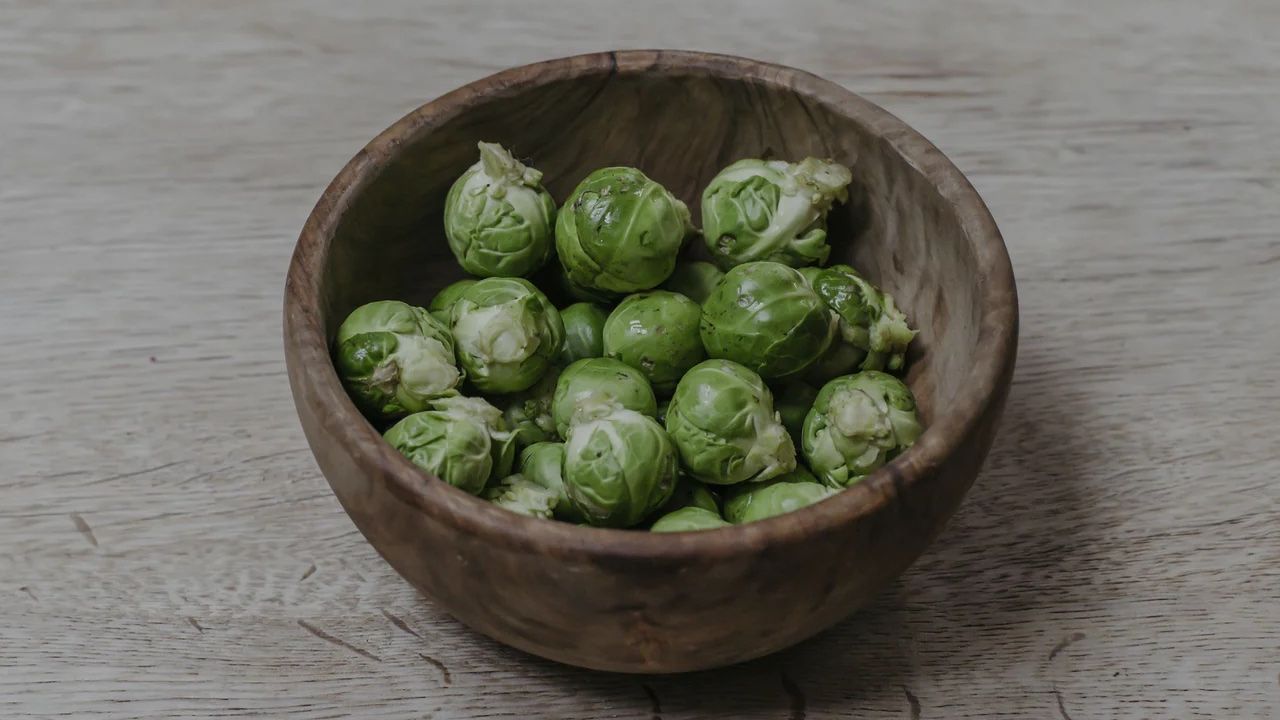
It’s the busy festive season. If you’re not caught up in the chaos of hosting guests, perhaps you’re navigating social events, seasonal celebrations and special occasions. Whatever you’re up to, one thing’s for sure; looking after your nutrition is absolutely vital if you want to truly enjoy this time of year. And here’s why…
We may assume that catching a cough or cold at this time of year is inevitable, or that feeling sluggish or tired is common. The thing is however, these things may be ‘common’, but they’re not ‘normal’ for a healthy human. Feeling less-than-well can happen at this time of year because for several weeks, many of us may forgo healthy nutrient-dense meals in favour of sugar-laden treats, excess alcohol or ‘party food’, and whilst there’s absolutely nothing wrong with indulgence and enjoyment right now, too much of it can place a burden on the body. Pair this with more time spent indoors, perhaps less exercise and being surrounded by bright, artificial lighting at night, and this can all create a recipe for ill-health. That’s exactly why focusing on high quality, nutrient-dense food right now is key for supporting your wellbeing throughout the festive season. Especially if things are busy and potentially a little stressful right now, doubling-down on your nutrition helps fuel your body with exactly what it needs.
In this month’s seasonal guide, you’ll find the foods in-season available in our online shop, as well as a little something extra if you’re short on time. Let’s explore…
Sprouts
Love them or loathe them, sprouts are a staple of festive meals. If your only experience of a Brussel sprout is one of over-cooked sogginess, we encourage you to mix things up by sautéing, roasting or stir-frying. Sprouts are rich in immune-supporting vitamin C, bone-building vitamin K, and energy-boosting B vitamins. They’re also a great source of fibre to support gut health and blood sugar levels, which is important to focus on if sweet treats are a big part of your seasonal celebrations.
Our favourite way to use sprouts: Chopped and sauteed with our cultured salted butter and garlic for a quick and immune-supporting side dish.
Purple sprouting broccoli
A potent source of phytochemicals like sulforaphane and isothiocyanates, purple sprouting broccoli is a nutrient-dense cruciferous vegetable that supports heart health, immunity and digestion. The powerful phytochemicals are responsible for its potential anti-cancer properties, as well as helping the liver metabolise and detoxify excess or potentially harmful forms of oestrogen. Anthocyanin is responsible for the plant’s purple colour, with the added benefit of being anti-inflammatory and an antioxidant.
Our favourite way to use purple sprouting broccoli: Briefly roasted and dressed with lemon juice, tahini and ruby red pomegranates for a vitamin-rich side dish or snack.
Kalettes
Another cruciferous vegetable that contains compounds like sulforaphane, kalettes (the little cousins of kale) support us by promoting both phase 1 and phase 2 liver detoxification. Simply put – kalettes need to be on your plate if you’re planning on a few glasses of festive fizz! Pair them with a healthy and nutrient-dense fat like butter, tallow or coconut oil to extract more of the fat-soluble vitamins A and K. Kalettes are actually a hybrid of both sprouts and kale, making them little nutritional powerhouses.
Our favourite way to use kalettes: To maintain as much of the vitamin C as possible, it’s best to consume kalettes raw, making them easier to digest by adding a dressing of apple cider vinegar and olive oil. For crispy cooked kalettes that can be dipped into sauces and served alongside our gut-health-boosting sauerkraut as a super healthy snack, toss with butter and salt, and roast on high for 10-15 minutes.
Swede
A humble veg that packs more punch than you may realise; swede also contains inulin – much like leek - which feeds good gut bacteria and promotes a healthy microbiome. Swede is high in those familiar immune-supporting nutrients potassium and vitamin C, and it’s mineral-rich too, containing calcium, magnesium, and zinc. The glucosinolates and carotenoids found in swede aid in reducing inflammation, whilst its phytonutrients support liver detoxification. Swede is also a great source of vitamin B6 to give your mood a helping hand.
Our favourite way to use swede: Cook up a warming, grounding cauliflower, swede and turnip curry, making the most of Autumn veg. Add anti-inflammatory and immune-supporting spices like turmeric, cumin, ginger and coriander for an extra health boost.
Kohlrabi
A gnarly, crunchy Winter veg, kohlrabi may not be a regular on your menu, but there are plenty of reasons why it should be; kohlrabi is rich in vitamin C, potassium, and antioxidants. Its high in fibre to support gut health and blood sugar balance, and is nutrient-dense without being overly heavy, so makes a great accompaniment to rich, hearty meals. Both the bulb and the leaves can be consumed, and it pairs beautifully with our raw cow’s cheese, which is also packed with enzymes, vitamins and minerals.
Our favourite way to use kohlrabi: Make a simple slaw by combining peeled and shredded kohlrabi, shredded apple, lemon juice, olive oil, salt and pepper.
Sorrel
A favourite at My Little Farm, sorrel adds a zesty citrus kick to any dish. Perfect for soups, sauces, salads, omelettes, to accompany fish and even in pesto. Grown in our forest garden, it's bursting with flavour. Sorrel’s zesty flavour tells us it’s rich in vitamin C, and the natural acids are perfect for supporting digestion and cutting through creamy or rich meals. As well as being high in antioxidant, sorrel is also a great source of plant-based iron to support energy levels.
Our favourite way to use sorrel: Add a handful of chopped sorrel to a creamy, hearty root veg soup to brighten the flavour
Parsley
This green herb is one of the best to add to festive feasts at this time of year, as its light and peppery flavour cuts through heaviness, as well as aiding digestion and even acts as a natural palate cleanser. Parsley is an incredible source of vitamins C, K, beta-carotene and folate, as well as minerals like iron, potassium, magnesium and calcium. If you don’t add it to recipes, consider simply munching a handful of the fresh herb before or after you eat to support digestive health.
Our favourite way to use parsley: Use our butter to make a quick and flavourful parsley and lemon butter that goes great with pretty much everything. Simply mix softened butter, a handful of finely chopped parsley, the zest of 1 lemon and a pinch of salt, then spread over a warm slice of our wholemeal sourdough, crafted locally by Fermento bakery.
Oshomo meals
Whilst we’re all about cooking from scratch and using foods pulled straight from the land, we also know that life can be busy – especially at this time of year! That’s why we’ve partnered with our friends at Oshomo to bring you a range of chef-prepared ready meals - cooked with the same care, integrity, and respect for ingredients that guide everything we do at My Little Farm.
Each dish is made from 100% natural, nutrient-dense ingredients, sourced from regenerative farms and crafted to nourish body and soul. Perfect for the moments you want wholesome, flavourful food, without compromise and without the work. Imagine settling down after a long day to Prince of Persia; a delicious Persian style chickpea, potato, butternut squash and saffron stew, or Youth Tonic; a fantastically unusual cabbage and butterbean ‘stir fry’ with creamy coconut milk, cashew nuts, warming spices & fresh coriander. These are delicious and grounding solutions, giving you quick and convenient meals without compromising on quality.
We hope this seasonal guide to our December produce will help you choose ingredients that fill your plates and stomachs with supportive nutrition this Winter. Enjoy what this season has to offer and let it support you through all the joyful moments to come over the holidays.